


Academic package
Reinforced Concrete Design
Also taught as Concrete Design, RC Design I and II, Design of Concrete Structures
Bringing the tools of engineering practice into the classroom: students build a deeper understanding through visualization and simulation, working with the same apps they will later use in practice.
Eagle Eye apps used in this course
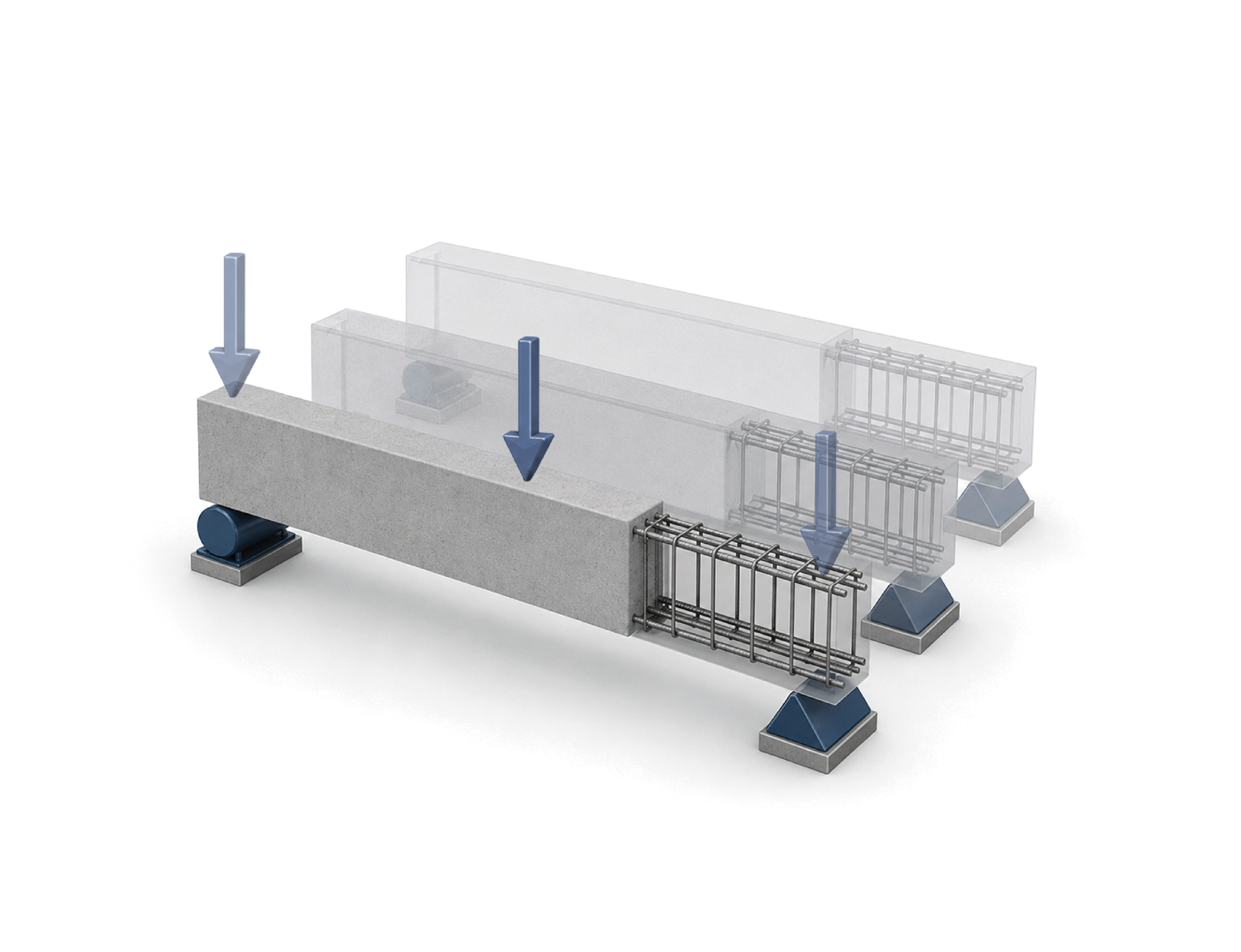
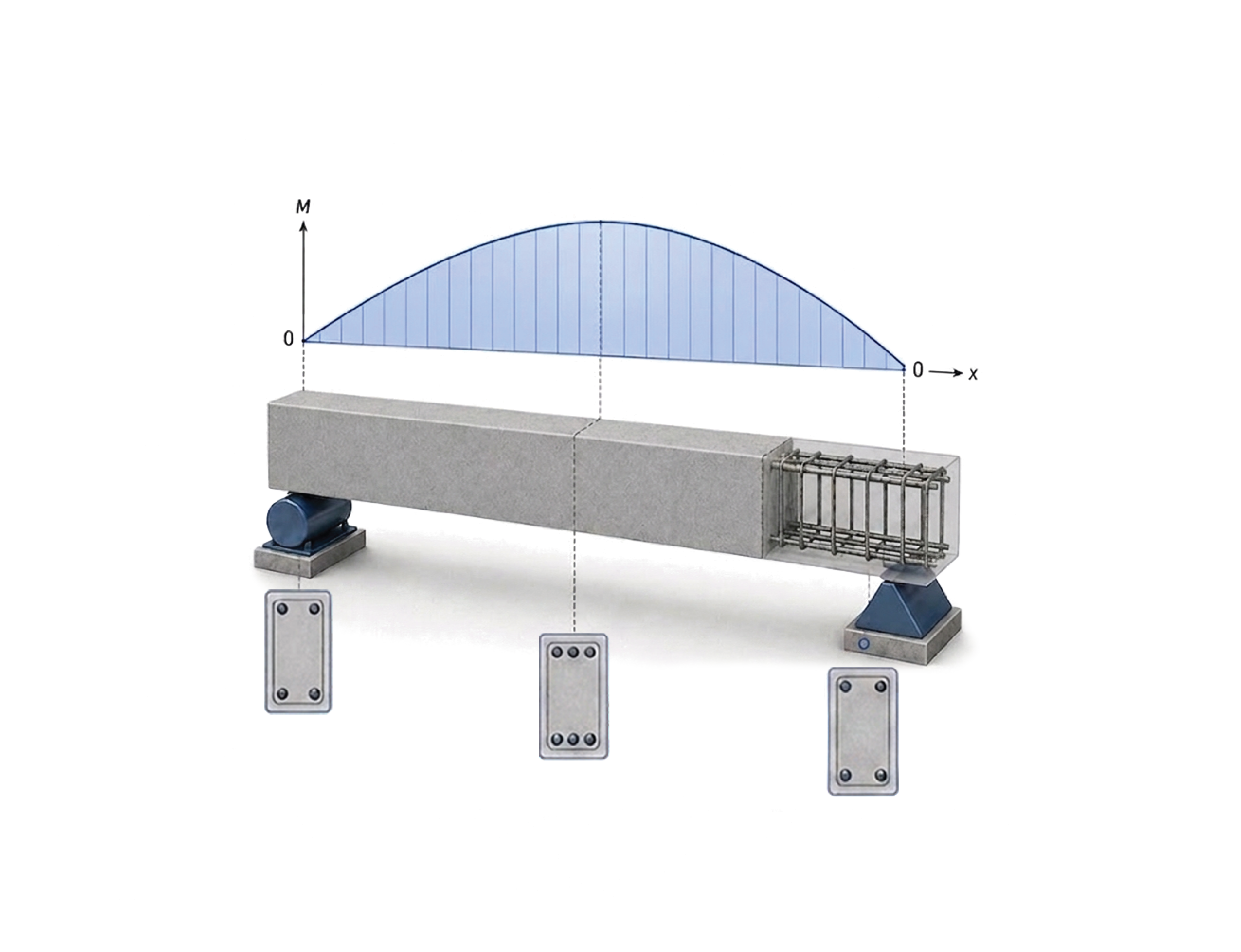
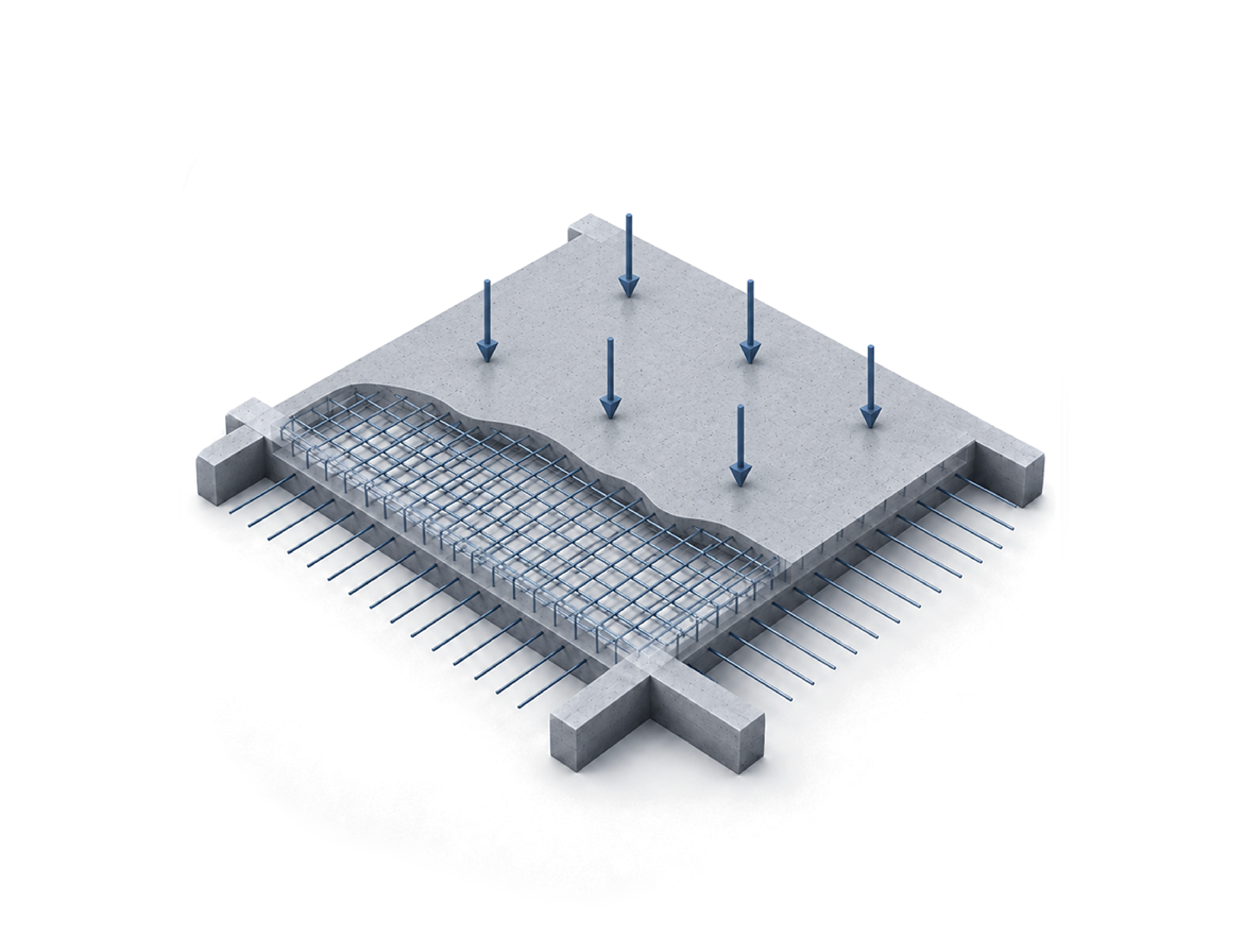
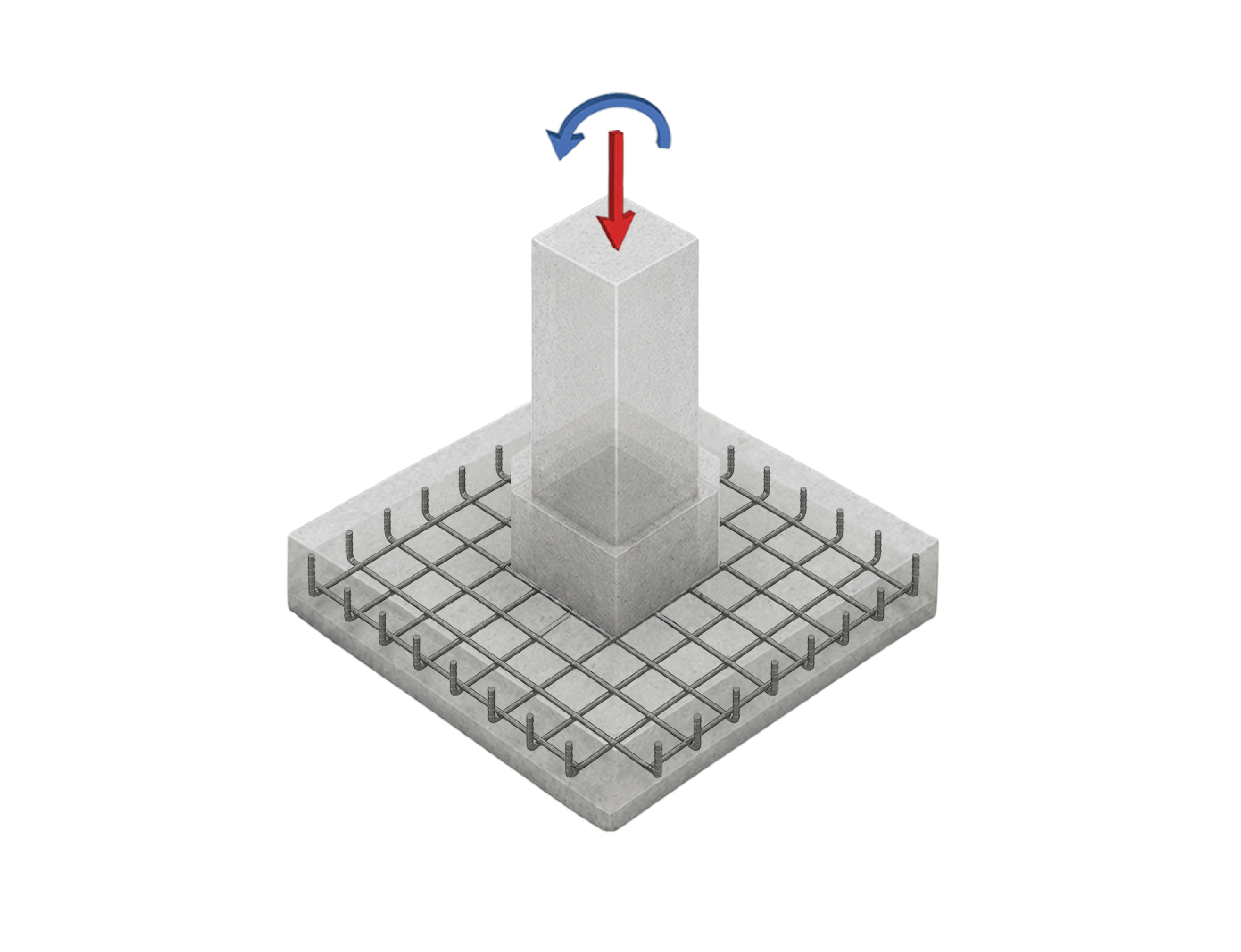
Learning resources in this package

The complete set of slides used to teach this course.
Explore
Step-by-step worked examples from input to final results.
Coming soon
Concepts explained through clear, visual animations.
Coming soon
Video walkthroughs and tutorials for every lesson.
Coming soon
Validation examples confirming accuracy against benchmarks.
Coming soonIn a design course, a hand design takes long enough that each student completes only a few in a term, usually one variation of each member type, and rarely sees how the design changes when a parameter moves. The Eagle Eye apps let students complete the code checks interactively, explore every governing parameter, and connect design decisions to member behavior, from the moment-curvature curve to the failure mode.
In the classroom
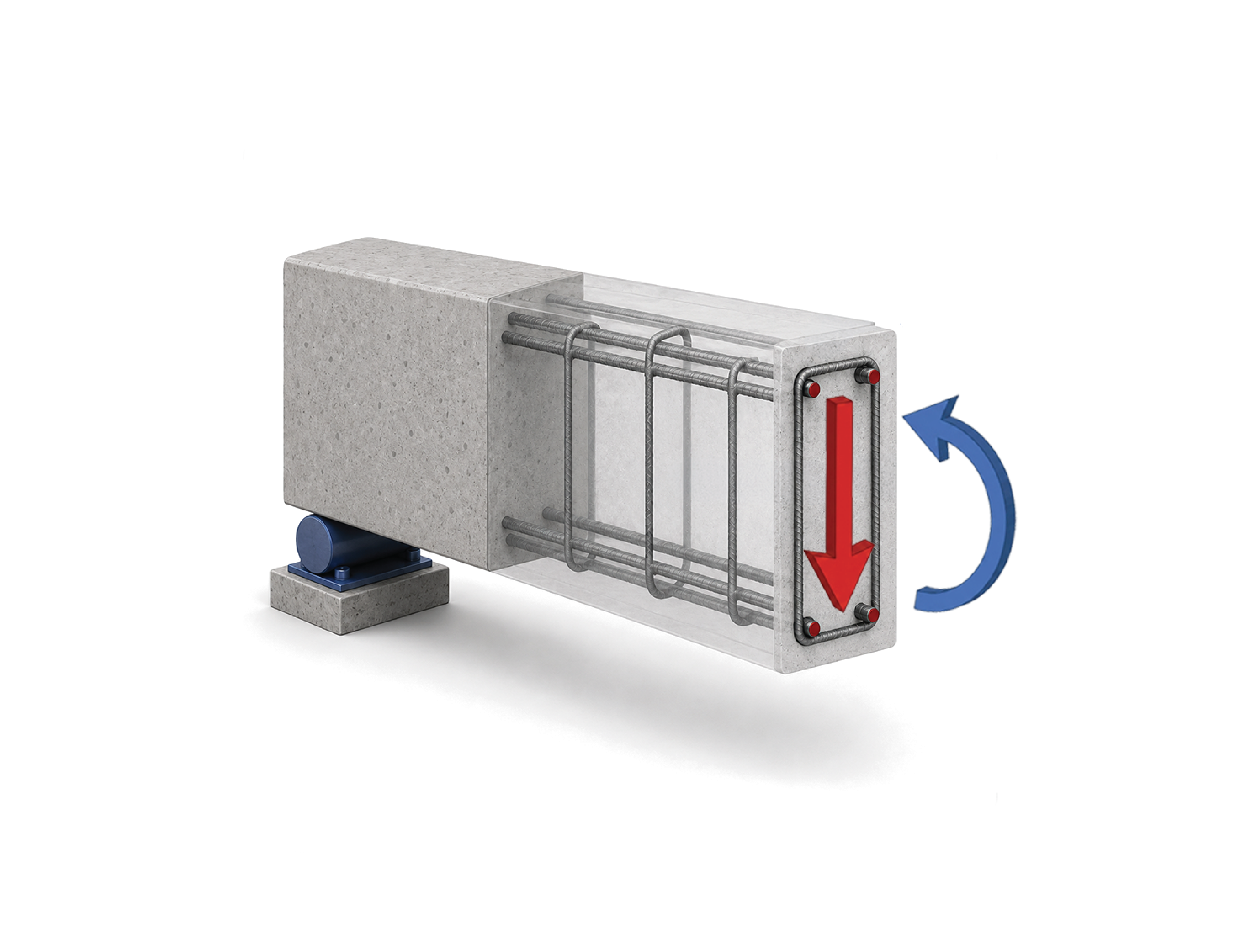
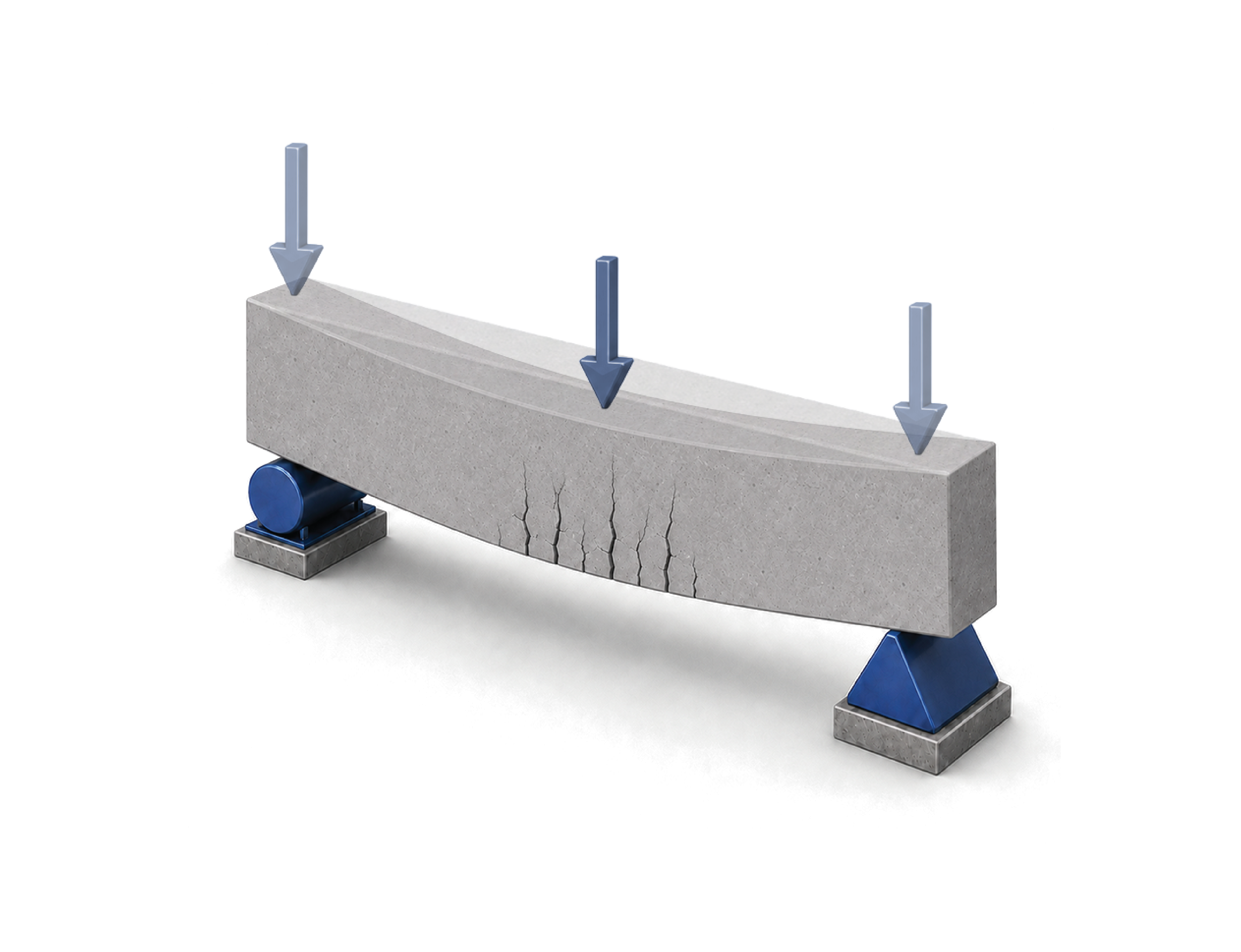
- The tension reinforcement of a beam can be increased step by step, with the class watching the capacity grow while the ductility falls until the failure mode shifts; the tension-controlled and compression-controlled limits become an observation rather than only a definition.
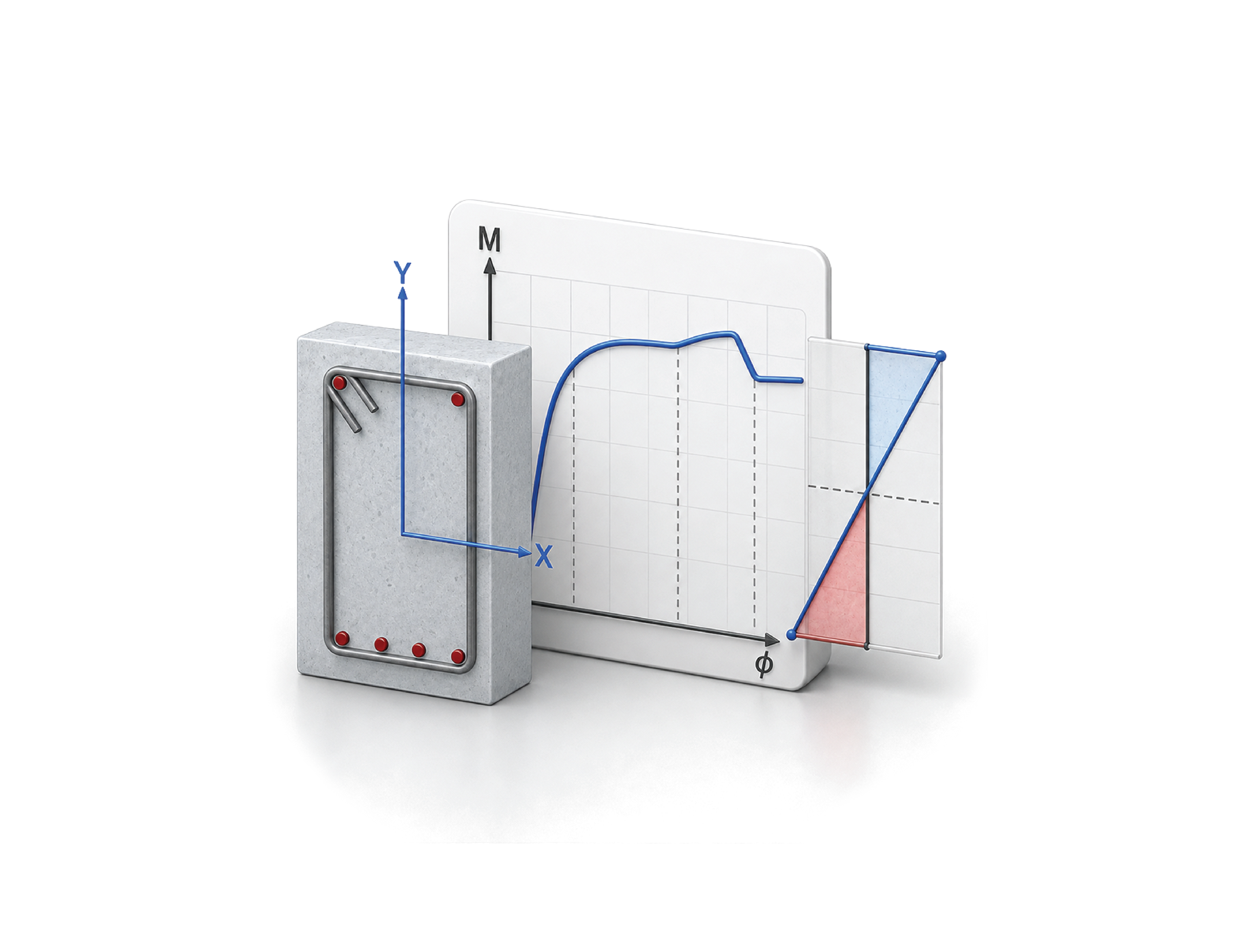
- The moment-curvature curve of the section under discussion can be plotted during the lecture, with each region of the curve connected to cracking, yielding and crushing.
- The axial load on a column can be varied and the point followed across the interaction diagram, including biaxial cases that are impractical by hand.
- Each student can bring one what-if study to class, capacity as a function of concrete strength, steel grade or a dimension, for discussion of which parameters matter and why.
Learning objectives
Upon completion of this module, students will be able to:
- Visualize in real time how the given inputs, such as the choice of building code, material and cross-sectional properties, and applied actions, affect the integrated design of RC beams and columns under flexural, shear, and torsional actions.
- Interactively investigate the adequacy of an existing beam or column design and its variations.
- Understand and differentiate between various RC failure mechanisms.
- Perform quick what-if analysis for the important parameters governing the design of RC beams, columns, two-way slabs, and isolated footings.
- Plot trends of design outputs across input ranges to support informed decisions in design and rehabilitation projects.
- Explore optimization approaches for cost-effective design of RC elements.
- Interpret and optimize reinforcement layouts for beam and column configurations.
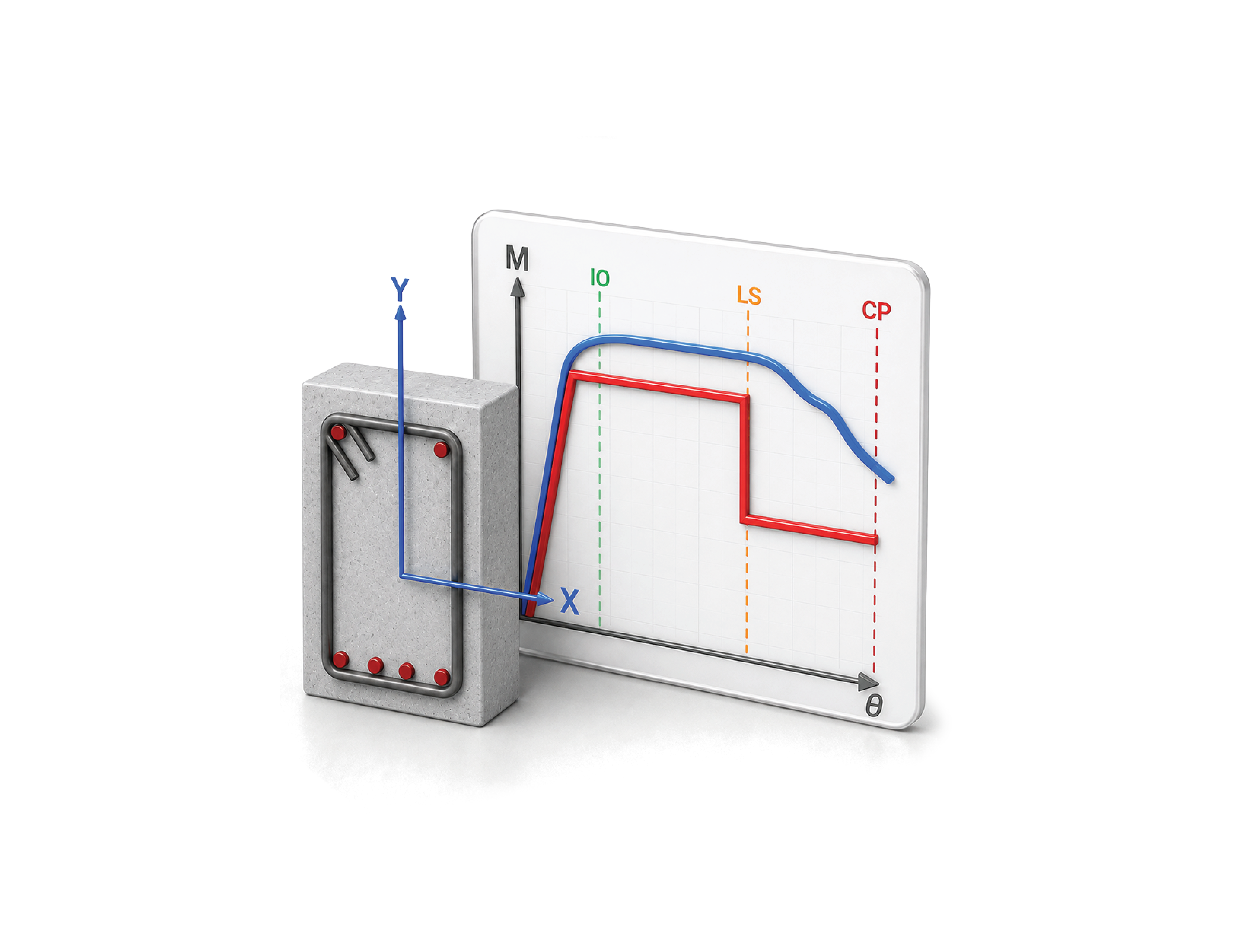
- Conduct section-level performance evaluation of RC beams and columns using ASCE 41 performance levels and acceptance criteria.
- Effectively communicate design choices and results using design reports.
Topics covered
| Moment-curvature behavior | Moment-curvature curve of RC cross-sections |
| ACI design of beams and columns | Flexure, shear, and detailing to the ACI method |
| Performance evaluation of RC beams | Ductility, capacity, and acceptance criteria |
| RC columns | Axial-flexural capacity under uniaxial and biaxial loading; slenderness effects |
| Strengthening and retrofitting | Of RC beams and columns |
Bring this course package to your class
A dedicated assistant will walk you through the material and set up your course group before the semester begins.
Get in touch